doi: 10.62486/agma202431
ORIGINAL
Customer preferences while booking accommodation in hotels: Customer Behaviour and Hotel Strategies
Preferencias de los clientes al reservar alojamiento en hoteles: Comportamiento del cliente y estrategias hoteleras
M.Srividya Iyengar1, R. Venkatesh1 *
1VIT Business School, Vellore Institute of Technology, Chennai, India.
Cite as: Iyengar M, Venkatesh R. Customer preferences while booking accommodation in hotels: Customer Behaviour and Hotel Strategies. Management (Montevideo). 2024; 2:31. https://doi.org/10.62486/agma202431
Submitted: 29-11-2023 Revised: 09-02-2024 Accepted: 31-06-2024 Published: 01-07-2024
Editor: Misael
Ron 
ABSTRACT
Running a hotel is an exciting experience, but it also demands you to keep on top of the ever-changing hospitality environment. Understanding shifting visitor behaviour is one of the keys to being competitive in this dynamic sector. As society evolves dramatically, so does consumer behaviour, and this shift has a big influence on hotels. People’s expectations for hotel stays, how they want to be handled, and how they book rooms are all changing. So, what’s the deal? Understanding and adjusting to these changes will allow you to not only meet, but surpass, your visitors’ expectations. More importantly, it opens a plethora of options for your company to expand. How these changes in visitor behaviour might affect your hotel company, and, more significantly, how you can turn these changes into opportunities that will help a hotel shine. This paper will help the hoteliers understand the main and vital preferences a guest might look for before booking an accommodation.
Keywords: Customer Preferences; Customer Behaviour; Hotel Strategies.
RESUMEN
Dirigir un hotel es una experiencia apasionante, pero también exige mantenerse al tanto del cambiante entorno hostelero. Comprender los cambios en el comportamiento de los visitantes es una de las claves para ser competitivo en este dinámico sector. A medida que la sociedad evoluciona drásticamente, también lo hace el comportamiento de los consumidores, y este cambio tiene una gran influencia en los hoteles. Las expectativas de la gente sobre su estancia en un hotel, cómo quieren que se les trate y cómo reservan habitaciones están cambiando. Entonces, ¿qué hay que hacer? Comprender estos cambios y adaptarse a ellos le permitirá no sólo cumplir las expectativas de sus visitantes, sino superarlas. Y lo que es más importante, abrirá un sinfín de posibilidades de expansión para su empresa. Cómo pueden afectar estos cambios en el comportamiento de los visitantes a su empresa hotelera y, lo que es más importante, cómo puede convertir estos cambios en oportunidades que ayuden a un hotel a brillar. Este artículo ayudará a los hoteleros a comprender las preferencias principales y vitales que puede buscar un huésped antes de reservar un alojamiento.
Palabras clave: Preferencias de los Clientes; Comportamiento de los Clientes; Estrategias Hoteleras.
INTRODUCTION
Consumer behaviour in the hospitality industry has shifted dramatically in recent years. A multitude of causes have affected these developments, including technological advancements, sociocultural transformations, and global events like as the pandemic. Guests no longer merely want a bed and a roof over their heads. They now demand a tailored and seamless experience from the time they begin looking for a hotel. These expectations are frequently moulded by their internet interactions and prior hotel visits. Understanding and adjusting to the guest’s psychology is essential for satisfying these expectations. Travelers today are far more flight-savvy than in the past. Thanks to today’s budget airlines, many of us can now afford comfortable and easy travels at inexpensive costs.
Hotel Booking Tips - Customers may always look for the greatest vacation spots, itineraries, suggested cuisine, and more. But have you ever considered that learning about hotel booking recommendations may make your vacation even more enjoyable? Choosing the ideal hotel for our travels is not always straightforward. There are several elements to consider, and our judgments are often influenced by things like travel budget, style, requirements, geography, and so on.
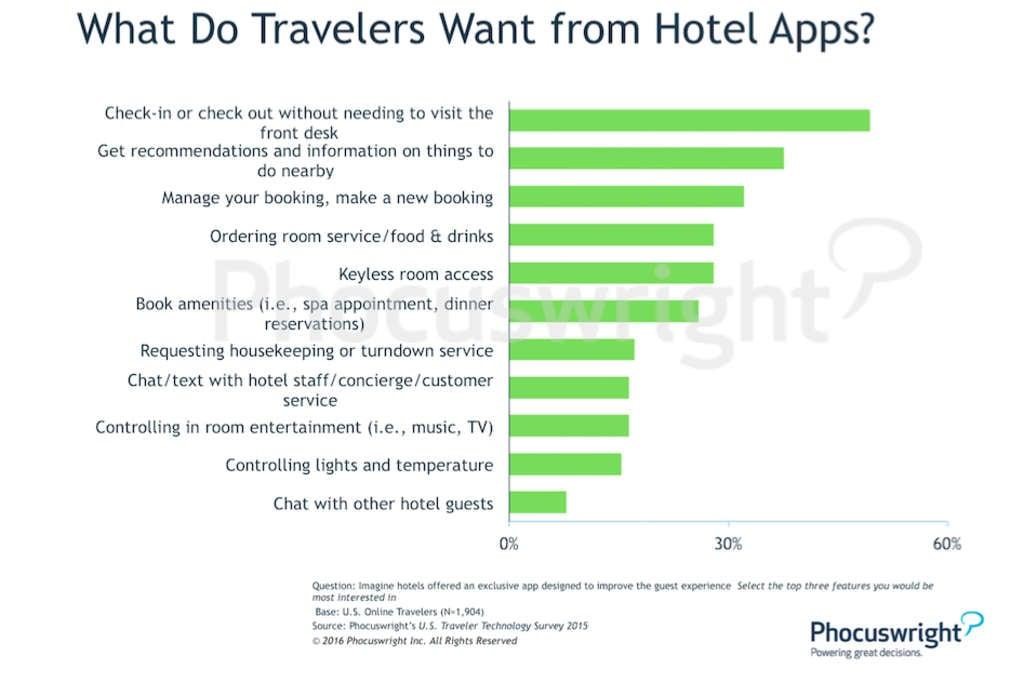
Figure 1. What do travelers want from hotels apps?
Source: https://www.hospitalitynet.org/opinion/4090597.html
Most probable criteria that customers look for while booking an accommodation are as follows:
1. Exact location of the hotel: Whether its close to the city centre, proximity to different tourist attractions, etc.
2. Complimentary Hotel Breakfast: Why not book a hotel with an accommodation which offers a complimentary breakfast? And complimentary evening Tea/Coffee/ Flavoured Milk, with a wide spread of sides including Biscuits, Cookies, Cakes, etc.
3. Hotel reviews on Google and other authentic websites: These online reviews are helpful in self-analysing about the hotel but not always true! Do your own research with the help of online reviews!!
4. Free Toiletries: Who doesn’t want an extra set of toiletries which could avoid them to pack their own from home! Brush, toothpaste, towels, bodywash, shampoo, shower cap, bathrobes, sock, bathrobe, bedroom slippers, and whatnot!
5. Fun activities: Going on a vacation, enjoy with fun activities including Dancing, Zumba, Yoga, Fish pedicure (fish spa treatments or “Ichthyotherapy”), Spa, Steam Bath, Jacuzzi, Kid’s play area packed with games, toys, henna artistry, face painting, Temporary tattooing….
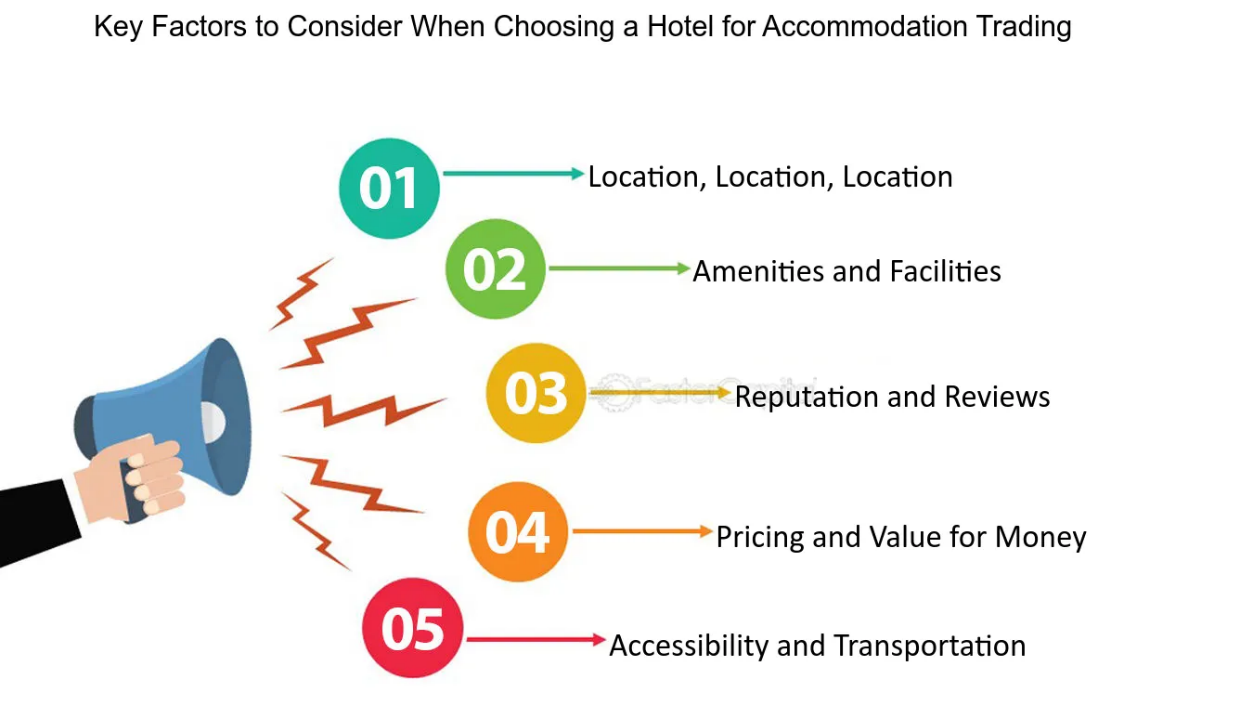
Figure 2. Key factors to consider when choosing a hotel for accommodation trading
1. Type of Hotel: While traveling solo, things are different than when travelling with family and friends. With young kids/toddlers/babies, it’s a must to book a hotel which offers a room with a kitchen or least, kitchenette. Sea front, Garden Front, Mountain Front, Private Patio rooms.
2. Hotel room Size: Even if we book a five-star hotel room near the city centre, it would be much smaller than booking a 4-star hotel or a resort in the outskirts of the city like ECR in Tamil Nadu for instance.
3. Special Needs: Travelling with a pet (pet friendly hotel), Anyone with a special need regarding a wheelchair access or special parking slot, elevated toilet seats, elevators, if traveling with babies (freshly cooked baby food on your request), etc.
4. Transport inside the hotels: Providing buggy for the commute inside the hotel, for kids, elderly or those who are not able to walk towards the Sea but would like to have an experience, etc.
5. Special Discount and Loyalty Reward: Everybody loves a little discount and loyalty reward such as coupons are very much appreciated while travelling frequently.
6. Payment Terms: Paying via Credit card, cash or via online mode, those are very important while booking an accommodation. (Pay on arrival or pay after the stay)
7. Cancellation policies: Free cancellation till a date, modifying the date of booking needs to be considered while booking.
8. Check-in/out time
The hotel sector is a broad and constantly evolving terrain. Providing outstanding customer service is critical to the success of various businesses, from hotels and restaurants to airlines and cruise lines.
In today’s competitive industry, it is more crucial than ever for hospitality firms to prioritize addressing the demands of their guests. This includes knowing what customers want and meeting their expectations.
Consider the three W’s: Who, What, and When, to help you grasp what your consumers want.
· Who: Customers want to be treated as people, not as numbers. They want to feel as if the staff knows them and cares about their experience. This includes utilizing the customer’s identity, inquiring about their hobbies, and providing suggestions based on their taste and preferences.
· What: Customers want to get all they paid for and more. They want to be surprised and thrilled with the quality of service they receive. This entails going above and above to fulfil the customer’s requirements, even if it is not expressly expressed. For example, a hotel may offer to pack a meal for a business traveller or assist a family in finding a babysitter.
· When: Customers expect their requirements to be addressed quickly and effectively. They don’t want to wait for anything, especially if they have a tight timetable. This entails being proactive in meeting the customer’s demands and ensuring that they are not left waiting. For example, a restaurant may check in with the customer to see if they require anything or offer to fetch them a beverage.
In addition to the three Ws, clients want to feel safe, secure, and comfortable. They want to be able to unwind and enjoy their time without worrying about anything. This includes offering a clean and well-maintained atmosphere, as well as courteous and attentive service.
Meeting the three W’s allows hospitality firms to provide a memorable and good experience for their consumers. This will result in repeat business and favourable word-of-mouth, which may help the firm develop.
Here are some more recommendations for satisfying the three Ws in the hotel industry:
· Make it personal. Use the customer’s identity, inquire about their interests, and provide suggestions based on those choices.
· Be proactive. Check in with the customer to see if they need anything and offer to fetch them a drink.
· Be alert. Listen to the customer’s demands and respond to their wishes.
· Keep your options open. Be willing to go the additional mile to fulfil the customer’s expectations.
· Be professional. Dress correctly, be kind, and helpful.
· Maintain an optimistic attitude. Maintain a cheerful attitude and make the consumer feel welcomed.
· Following these guidelines can help hospitality firms provide a memorable and good experience for their consumers. This will result in repeat business and favourable word-of-mouth, which may help the firm develop.
Optimising the guest experience at hotels entails making sure your guests feel welcome, happy, enriched, and that they received good value for money. The visitor experience must seem real and distinct to everyone to leave a lasting impression on the consumer. This covers the whole client journey, from research to booking to post-stay.
In today’s travel market, there is a lot of talk about visitor experience, but it is frequently intimately related to hotelier experience. Demand, anticipation, and gratification all serve to both motivate and nourish one another. Hotels in today’s world face difficult distribution, pricing, and visitor satisfaction issues - and that’s before COVID-19!!
It depicts them struggling to combine their own commercial demands with the ever-changing and dynamic nature of travel technology, as well as passengers’ intelligent, resourceful attitudes. As a result, hotels must be guided by tourist behaviour. The majority rule. Early adopters are often well-educated, wealthy, and prepared to take risks. Hotels are understanding that they need to be in several locations at the same time, with consistent exposure being a key factor in booking success.
When it comes to satisfying visitors, ‘personalisation’ is the buzzword of the moment, and with good reason; there’s no excuse not to be adopting a more concentrated approach to client contact. However, optimizing the visitor experience and ensuring guest expectations are fulfilled is an ever-changing issue for hoteliers.
A new breed of tech-savvy travellers has arisen in recent years, and they want hotels to keep up with technological advancements.
Even older generations are becoming
proficient in the use of social media and mobile devices, two critical issues
for hotels. This includes mobile-friendly websites, easy navigation, and a
quick and straightforward booking procedure. Even when they are inspired to
travel, consumers use mobile technology to check Facebook or Instagram, so
hotels must maintain a consistent presence.
The guest experience, which is recognized as one of the most important parts
for hotels, begins before their check-in; it begins during their searching for
accommodations and continues after their stay, with technology serving as a
driving force throughout the trip. Your guests may have discovered you through
one of your online travel agencies’ listings or directly on your own website,
and it is at this point that you assume responsible for their stay at your
hotel. Once they’ve chosen on a place, their excitement will drive them to find
and book a hotel. Guests demand a quick and straightforward experience using
mobile payment methods.
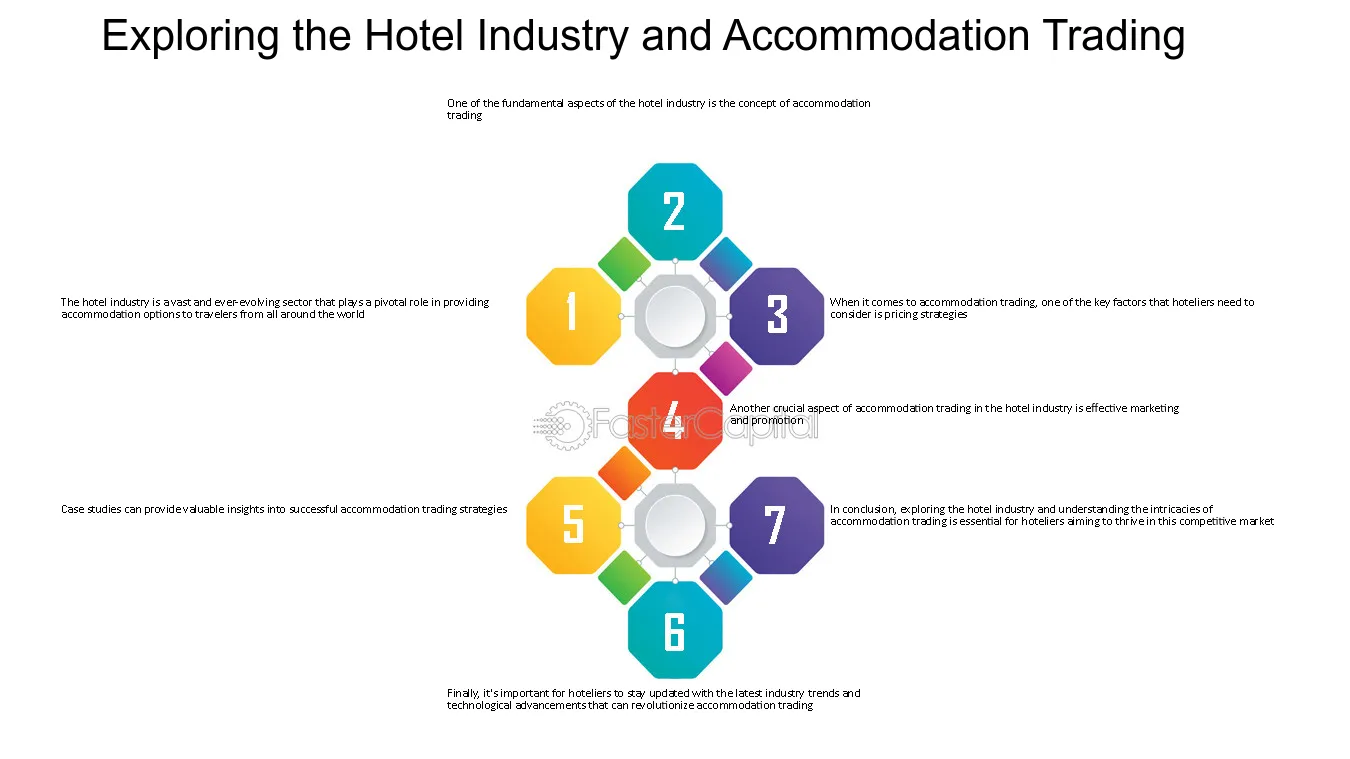
Figure 3. Exploring the hotel industry and accommodation trading
Mobile has becoming more crucial. Consumers are discovering additional methods to answer their own questions. One approach they employ is to download applications. When it comes to reserving your hotel, people want to be able to quickly verify their information and engage with your hotel using an app rather than email, phone, or online browser. If you didn’t have an app, guests may choose to book elsewhere.
CONCLUSION
Finding the ideal hotel accommodations is an important component of any trip preparation since it has a direct impact on your comfort, convenience, and overall satisfaction of your stay. When selecting a hotel, consider the hotel’s location, facilities, pricing, reputation, and flexibility, among other factors.
By completing your homework, using this list, and following our travel advice, you may pick a hotel that meets your needs and provides an exceptional experience that you will remember for years.
When choosing a hotel, most guests consider the quality of the service given as well as the amenities available to meet their demands, which are frequently put in place owing to the efforts of an interim management. As a result, amenities such as a swimming pool, parking, a gym or spa, taxi service, room service, trained personnel, and free Wi-Fi access are frequently highlighted. All of this is frequently the outcome of a hotel consultancy business.
A client’s choice of hotel is influenced by a variety of factors. The most essential ones are pricing, hotel location, feedback from previous guests, number of stars, service quality, and availability.
REFERENCES
1. Das, A. (2023, November 20). Beyond Traditional Hospitality: The Impact of Consumer Behavior on Hotels. eZee Absolute. https://www.ezeeabsolute.com/blog/how-changes-in-consumer-behaviour-impact-hotels/#:~:text=%E2%80%9CA%20study%20by%20TripAdvisor%20found,in%20their%20hotel%20selection%20process.
2. Accomodation, T. (2024, February 27). 15 Most Important Things to Consider Before You Book a hotel. Traveloka. https://www.traveloka.com/en-sg/explore/tips/10-things-to-consider-when-booking-a-hotel/48096
3. Abbo, V. E. (2023, August 4). The 3 W’s - What Customer Wants from Hospitality Services. https://www.linkedin.com/pulse/3-ws-what-customer-wants-from-hospitality-services-von-eric-abbo/
4. Elphick, D. (2024, May 23). Guest experience in hotels: How to achieve complete customer satisfaction. SiteMinder. https://www.siteminder.com/r/trends-advice/hotel-guest-experience/guest-experience-hotels-customer-satisfaction/
5. Lhc. (2022, February 8). 5 things guests consider before booking a hotel. Luxury Hospitality Consulting. https://luxuryhospitality.consulting/before-booking-hotel/
6. Miller, T. (2018, October 25). The 5 Best Ways to Improve Engagement within Your Hotel App. Hospitality Net. https://www.hospitalitynet.org/opinion/4090597.html
FUNDING
The authors did not receive financing for the development of this research.
CONFLICT OF INTEREST
The authors declare that there is no conflict of interest.
AUTHORSHIP CONTRIBUTION
Conceptualization: M. Srividya Iyengar, R. Venkatesh.
Data curation: M. Srividya Iyengar, R. Venkatesh.
Research: M. Srividya Iyengar, R. Venkatesh.
Drafting - original draft: M. Srividya Iyengar, R. Venkatesh.
Writing - proofreading and editing: M. Srividya Iyengar, R. Venkatesh.